
Date : February 2027
Location : Bali
Time : –
Introduction
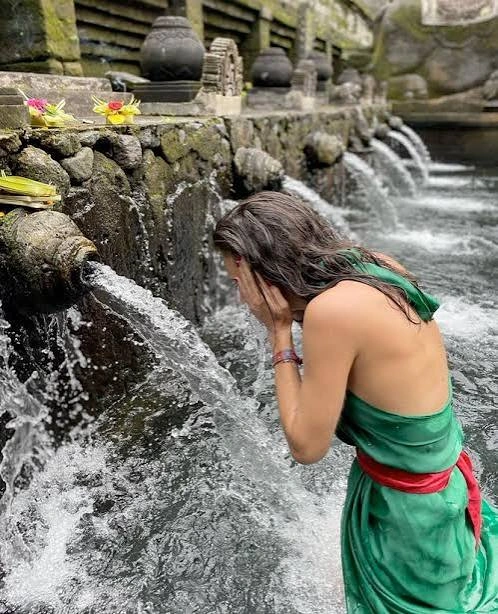
At sacred springs, temples, rivers, and other water sources across Bali, worshippers enter flowing water with hands joined in prayer. This is *Melukat*, a Balinese Hindu purification ceremony intended to cleanse spiritual and emotional impurities and restore inner balance. It is sometimes promoted as a wellness experience, but its purpose is religious rather than recreational. Melukat may be undertaken at important moments, during particular holy days, or when a person seeks clarity, healing, and renewal. Procedures differ according to the place, purpose, and guidance of a priest or knowledgeable local. Visitors may be welcomed at certain sites, but participation requires humility and respect. Sacred water is not a backdrop for photography; it is the central medium through which blessing and purification are sought.
Historical Origins
Water purification has ancient roots within Hindu traditions and the religious life of the Indonesian archipelago. In Bali, sacred water or *tirta* became essential to prayer, temple ceremony, life-cycle rites, and personal purification.
The term Melukat is commonly connected with cleansing or releasing impurity. Its exact historical origin cannot be assigned to one event because forms of water purification developed through sacred texts, priestly knowledge, temple practice, and local tradition.
Different Melukat procedures exist. The appropriate offerings, prayers, water source, sequence, and priestly role depend upon the reason for purification and the customs of the site.
Melukat should not be confused with Melasti. Melukat generally concerns the purification of an individual or group, while Melasti is a communal ceremony involving temples, sacred objects, and the wider environment, most famously before Nyepi.
Mythology or Religious Significance
Water is both physical and sacred. It sustains life, cleans the body, and serves as a medium for divine blessing. In Balinese Hindu worship, tirta completes prayers and carries purifying power.
Melukat addresses *mala*, forms of spiritual impurity, disturbance, or imbalance. These should not be simplified into a claim that water magically removes every problem. The ceremony supports spiritual realignment, reflection, prayer, and the intention to live more clearly.
Purification may relate to difficult experiences, emotional burdens, significant transitions, holy days, or religious obligations. A person may seek guidance from a priest regarding the appropriate form.
The ceremony reflects the relationship between *sekala*, the visible world, and *niskala*, the unseen dimension of life. Water touches the body in the visible realm while prayer addresses spiritual balance
How the Ceremony Evolved
Melukat has long belonged to Balinese religious life, but wellness tourism and social media have made it internationally visible. Tirta Empul and several other temples now receive large numbers of visitors seeking purification. Greater access can encourage cultural understanding, but it also creates problems: overcrowding, inappropriate clothing, photography during prayer, and the idea that every fountain provides the same spiritual service. Some hotels and retreat providers arrange private ceremonies. A respectful experience should involve an appropriate priest or guide, correct offerings, clear explanation, and genuine permission. Luxury presentation alone does not establish authenticity. The ceremony’s growing popularity makes cultural guidance more important, not less.
How It Is Practised Today
Participants usually prepare offerings and dress in appropriate ceremonial clothing. At a temple, they may first pray before entering the purification area. Under guidance, the participant approaches designated water spouts or the sacred water source in the correct order. Hands are joined, prayers are made, and water is passed over the head, face, and body according to local procedure. Not every spout at a purification pool is intended for general use. Some may be reserved for specific rites connected with death or other purposes. Visitors should never copy the person in front of them without instruction. After purification, participants change into dry temple clothing and may complete prayers in the main temple area. The sequence varies by location.
Traditions and Rituals
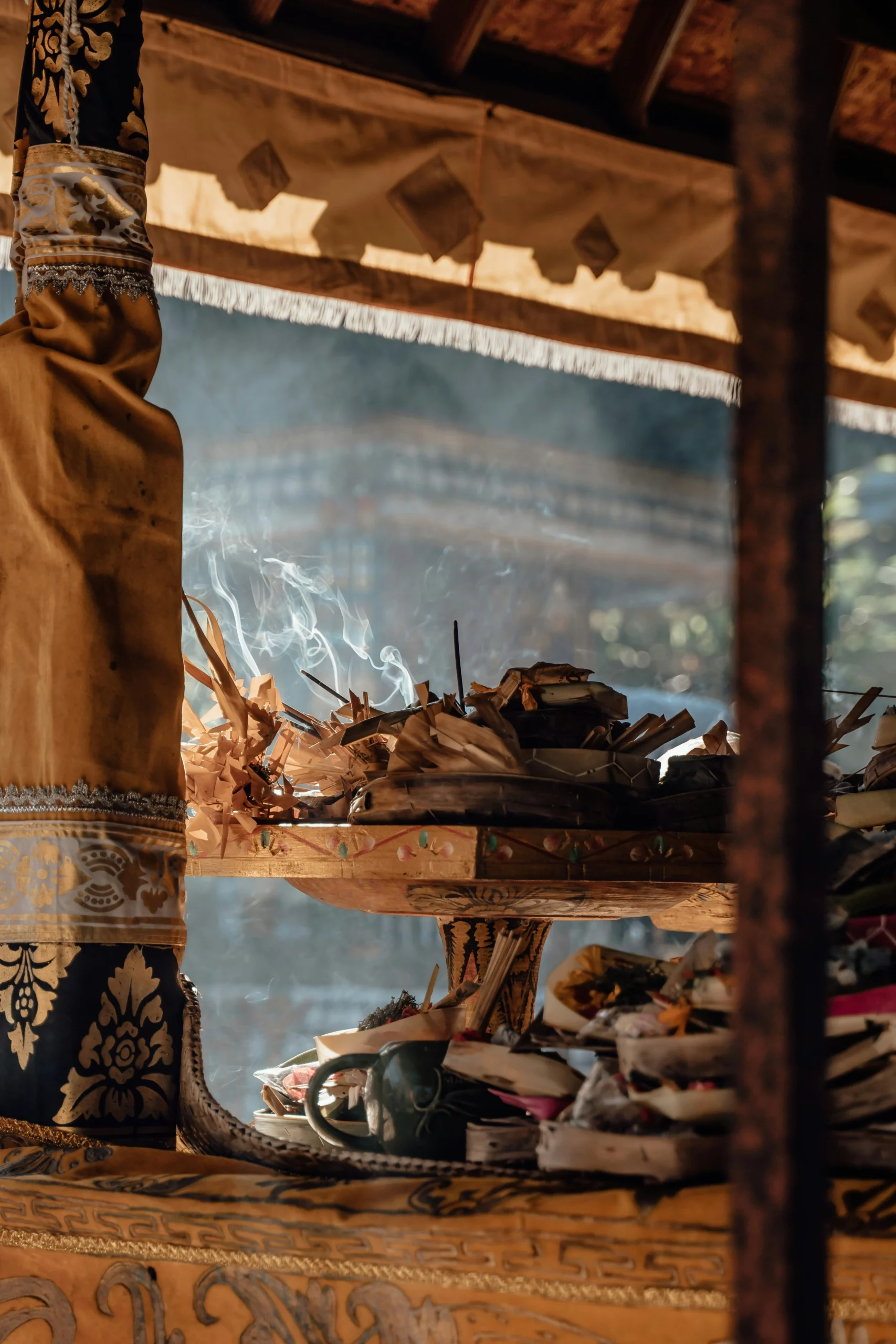
Offerings establish intention and show respect to the sacred place. Canang Sari or more specific offerings may be required according to the ceremony. Prayer before entering the water asks permission and blessing. The participant approaches with composure rather than treating the pool as a bathing attraction. Water is received from the source in a prescribed manner. Some participants drink a small amount or rinse the mouth when instructed, but water safety and local rules should always be considered. A priest may lead mantras, sprinkle holy water, or conduct additional rites. The ceremony’s meaning continues beyond the physical immersion through reflection and changes in conduct.
What Visitors Can Expect
At popular temples, visitors may encounter queues, changing areas, wet sarongs, guides, and many other participants. The atmosphere can remain sacred despite crowds when everyone follows the rules. Sites differ in accessibility. Some welcome non-Hindu participants; others restrict particular areas or ceremonies. Entry fees do not automatically grant permission to perform every ritual. Guests at Tejaprana interested in Melukat should seek knowledgeable guidance. Nearby areas around Tampaksiring and Ubud contain important water temples, but the most famous site is not necessarily the most appropriate for every person. Visitors should expect a religious experience requiring preparation, patience, modesty, and time for prayer.
Travel Tips
- Confirm that visitors are permitted to participate at the chosen site.
- Go with a knowledgeable guide or follow temple staff instructions.
- Wear the required sarong and sash; use a separate wet sarong where instructed.
- Ask which fountains or water areas are appropriate.
- Do not use soap, shampoo, or swimwear as though entering a public pool.
- Avoid filming yourself or others during prayer and purification.
- Do not enter when unwell with a contagious condition or open wound.
- Protect the water by avoiding cosmetics and non-biodegradable items.
- Respect restrictions related to menstruation and temple entry as communicated locally.
- Complete the ceremony calmly rather than rushing through for photographs.
Interesting Facts
- Melukat is not the same as Melasti. One primarily purifies people; the other is a wider communal and temple ceremony.
- Not all fountains serve the same purpose. Local instruction is essential at multi-spout purification pools.
- The ceremony is not limited to tourists or wellness retreats. It is a living Balinese Hindu religious practice.
- Purification continues after the water. Reflection and responsible conduct give lasting meaning to the rite.
Conclusion
Melukat uses water to create a moment of spiritual clarity, but its meaning depends upon more than immersion. Prayer, guidance, intention, sacred place, and ethical renewal transform water into ceremony. For Balinese Hindus, purification belongs to an ongoing relationship with the divine and the unseen dimensions of life. Visitors who are welcomed to participate receive a privilege, not a packaged guarantee of healing. Approached with humility, Melukat can offer a meaningful encounter with Bali’s understanding of balance, release, and renewal.
Sources Checked
- Indonesia Travel, “Bali’s Spiritual Cleansing”: https://www.indonesia.travel/gb/en/travel-ideas/wellness/balis-spiritual-cleansing-5-sacred-sites-for-the-soulful-melukat-ritual
- Indonesia Travel, Tirta Empul pilgrimage guidance: https://www.indonesia.travel/gb/en/travel-ideas/pilgrimage/pura-tirta-empul
- Directorate General of Hindu Affairs, purification and spiritual balance: https://bimashindu.kemenag.go.id/english-corner-hindu/buda-kliwon-pegatuwakan-a-momentum-of-self-purifying-and-spiritual-balance-for-hindu-rmutg