
Date : July 2027
Location : Bali
Time : –
Introduction
For several weeks each year, Denpasar becomes a meeting place for performers, craftspeople and cultural groups from across Bali. The Bali Arts Festival, known as Pesta Kesenian Bali or PKB, presents dance, music, theatre, visual art, textiles, food and public discussion in one extensive programme. It is not simply a showcase for visitors. The festival gives villages, schools and artistic communities a respected stage on which to sustain older forms and develop new work. An opening parade is usually among its most anticipated spectacles, followed by performances and exhibitions centred at Taman Werdhi Budaya, the Bali Arts Centre. Dates, venues and schedules vary each year, so visitors should use the current official programme when planning a visit.
Historical Origins
The first Bali Arts Festival was held in 1979 during the governorship of Ida Bagus Mantra, a prominent advocate for Balinese culture and education. The initiative responded to concerns that social change and tourism could weaken traditional arts if artists lacked opportunities, audiences and institutional support.
The festival created a recurring forum where artistic knowledge could be performed, assessed and transmitted. Early editions were notably long, and the event later settled into an annual format of roughly one month. It became one of Indonesia’s longest running major arts festivals.
Taman Werdhi Budaya in Denpasar developed as its main home. Its theatres, exhibition halls, courtyards and pavilions allow intimate recitals and large productions to take place within the same cultural complex.
Mythology or Religious Significance
PKB is a cultural festival, not a religious holy day. Nevertheless, much of the art it presents emerges from Balinese Hindu philosophy, temple life and sacred narratives. Episodes from the Ramayana and Mahabharata, stories of deities and demons, and ideas about balance frequently appear in dance, drama, carving and painting.
The distinction between sacred and presentational art matters. Some forms originate in ritual settings and may be adapted for a public stage, while others are designed as entertainment. Festival organisers and artists work within local understandings about what may be shown, where it may be performed and how it should be prepared.
The annual festival theme often draws on Balinese philosophical concepts, encouraging artists to interpret heritage in relation to contemporary life.
How the Celebration Evolved
PKB began as a preservation and development project, but preservation has never meant freezing the arts in time. Competitions and curated programmes encouraged villages to refine repertoire, revive rarely performed forms and train younger participants. New choreography, theatrical approaches and visual work gradually joined classical presentations.
The festival has also welcomed participants from elsewhere in Indonesia and overseas, creating exchanges without losing its Balinese centre. Seminars, workshops, craft exhibitions and culinary areas broadened the programme beyond performance.
Digital schedules and online coverage now help wider audiences follow the event. Even so, its vitality still depends on the months of preparation undertaken by local groups before they reach Denpasar.
How It Is Celebrated Today
The festival generally takes place around June and July, although exact dates must be confirmed each year. A large opening parade may feature delegations from Bali’s regencies and city, presenting costumes, music and choreographed scenes. The main programme then unfolds across the Bali Arts Centre and, at times, other venues.
Daily schedules can include gamelan concerts, dance drama, puppetry, children’s performances, literary events, painting and craft displays, competitions and discussions. Evening performances are particularly popular, and prominent events may fill well before the advertised start.
Many activities are free, while access arrangements can change. Visitors should consult the official PKB schedule rather than assuming every venue operates throughout the day.
Traditions and Rituals
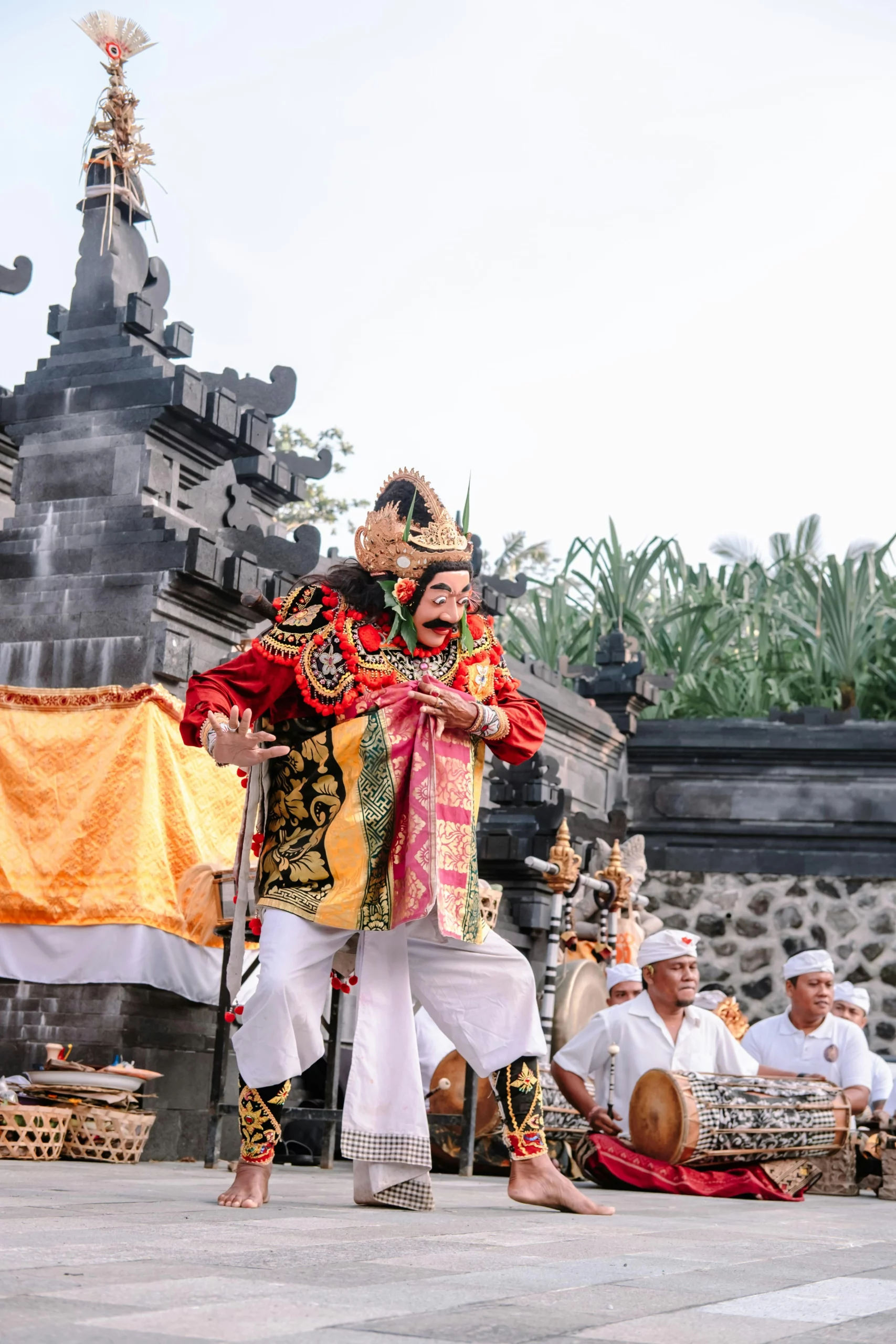
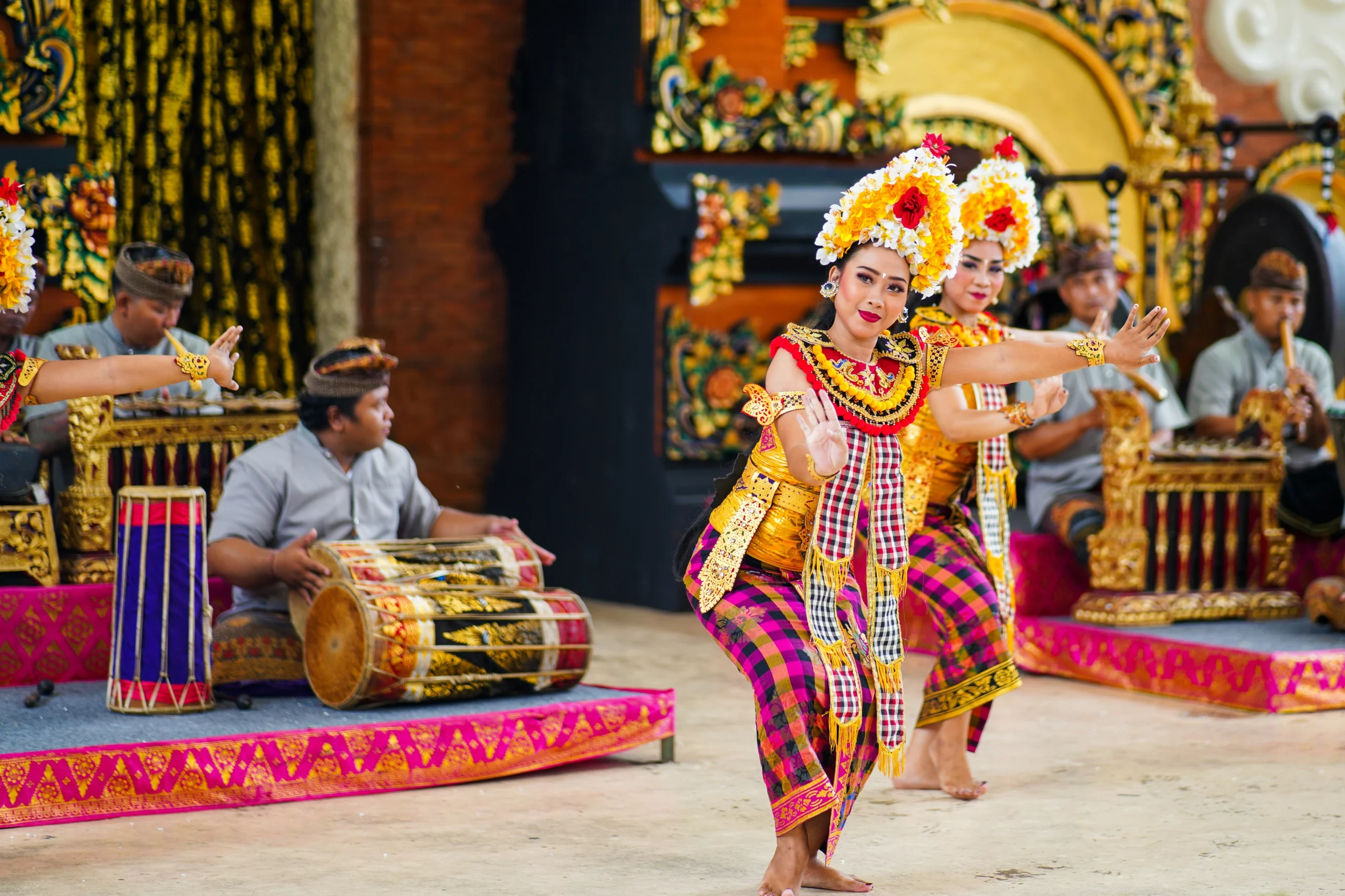
The festival’s traditions include the opening procession, regional artistic delegations and the presentation of carefully rehearsed ensemble work. Costumes, floral decorations, masks and instruments are prepared with exceptional attention to detail.
Backstage and before performances, artists may make small offerings or pray according to their own practice. These moments are not entertainment and should be given privacy. On stage, audiences may encounter legong, baris, masked dance, gamelan, shadow puppetry and many other forms, although no single edition includes everything.
Competitions can be as culturally important as headline performances because they support discipline, teaching and pride among participating communities.
What Visitors Can Expect
Expect a lively mix of local families, students, artists and travellers. The Bali Arts Centre can feel calm in the afternoon and intensely busy before a major evening programme. Performances may run longer than expected, and announcements are often in Indonesian or Balinese.
Even without understanding every narrative, visitors can appreciate the precision of movement, musical dialogue and elaborate stage design. Exhibitions and food stalls add a less formal way to explore regional craft and taste local dishes.
Travel Tips
Check the current official programme, since dates and venues change annually. Arrive early for popular events and allow time for traffic and parking in Denpasar. A driver or taxi drop off can be easier than bringing a car.
Wear comfortable, respectful clothing and carry water, although food and drink may be restricted inside theatres. Do not use flash during performances. Ask before photographing artists backstage or children in costume. Bring cash for smaller craft and food vendors, while keeping valuables secure in crowds.
Interesting Facts
- The Bali Arts Festival was first held in 1979.
- Governor Ida Bagus Mantra was instrumental in establishing it.
- Its Indonesian name, Pesta Kesenian Bali, is commonly shortened to PKB.
- The programme represents all parts of Bali, not only Denpasar’s arts community.
- Each edition is guided by a cultural theme that artists interpret through different media.
Conclusion
The Bali Arts Festival is one of the most rewarding ways to see the island’s creative traditions as living practices. Classical repertoire, new interpretation, village preparation and public celebration all meet within the same programme. Visitors who plan around the official schedule and make time for more than one performance will see that Balinese art is not merely inherited. It is continually studied, rehearsed, debated and renewed.