
Date : April 2027
Location : Bali
Time : –
Introduction
Across Bali, a temple that appears quiet one day may be transformed the next by ceremonial cloth, flower offerings, incense and the sound of gamelan. This is often an odalan, also called piodalan, the recurring anniversary of a temple’s consecration. Because Bali contains thousands of temples, from household shrines to major regional sanctuaries, an odalan is taking place somewhere on the island on almost any given day. Each celebration belongs first to its worshipping community. Families prepare offerings, priests lead prayers and sacred performances may welcome divine presence. Visitors are sometimes permitted to observe, but an odalan is not a public festival arranged for tourism. Understanding its calendar, religious purpose and etiquette allows guests to appreciate one of the most visible expressions of Balinese Hindu community life.
Historical Origins
The roots of odalan lie in the development of Balinese Hindu temple worship and the island’s cyclical ritual calendars. Rather than commemorating a historical birthday in the modern sense, the festival marks the sacred day associated with a temple’s founding or consecration.
Many odalan dates are determined by the Pawukon, a Balinese calendar of 210 days formed by overlapping weekly cycles. When the same calendrical combination returns, the temple anniversary returns with it. This is approximately every seven Gregorian months. Some important temple observances instead follow Bali’s lunar Saka calendar, so not every odalan can be calculated in exactly the same way.
Over generations, recurring temple festivals have supported religious knowledge, artistic practice and cooperation within families, neighbourhoods and villages. Their continuity depends on preparation as much as the ceremonial day itself.
Mythology or Religious Significance
An odalan honours the deities and sacred powers associated with a particular temple. The community prepares the sanctuary, presents offerings and invites divine presence during the festival period. Prayer seeks blessing, protection and harmony while renewing the relationship between worshippers and the sacred place.
The ceremony belongs to Dewa Yadnya, acts of devotion and offering directed towards the divine. It also expresses a broader Balinese understanding that spiritual, human and environmental relationships require continual care.
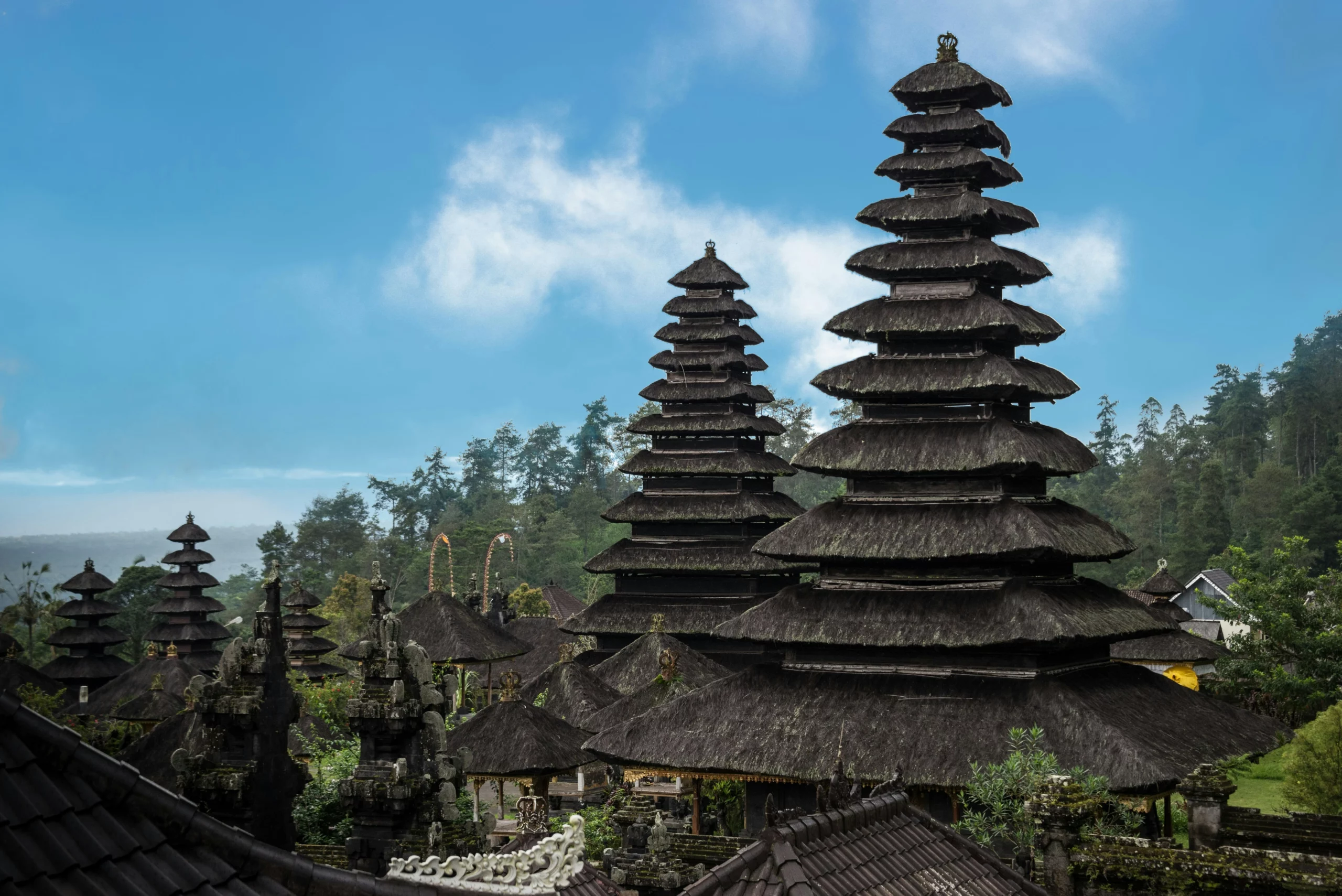
Different temples have different identities. A family temple is connected closely to ancestors and kinship, while village temples have complementary roles within community life. Large sanctuaries may draw worshippers from a wide region. The meaning of an odalan therefore depends on the temple rather than following one universal programme.
How the Celebration Evolved
Odalan has remained cyclical, but its outward form has never been fixed. The size of a celebration reflects the temple, available resources, local custom and the importance of that particular anniversary. A modest shrine may receive concentrated prayers and offerings, while a major temple festival can continue for several days and involve processions, orchestras and large congregations.
Historically, temple festivals helped sustain dance, theatre and music. Performances could serve as offerings, entertainment for the community or both, according to where and why they were presented. This recurring demand encouraged artistic knowledge to pass between generations.
Modern transport and communication allow relatives and worshippers to return from farther away. Electric lighting, sound systems and digital announcements may now support a festival, but the core work of preparing offerings, purifying space and praying together remains local and communal.
How It Is Celebrated Today
Preparations begin before the formal anniversary. Temple courtyards are cleaned, shrines are dressed in ceremonial textiles and temporary decorations are made from palm leaves, bamboo and flowers. Families and community groups divide responsibilities for offerings, food, music, security and other practical needs.
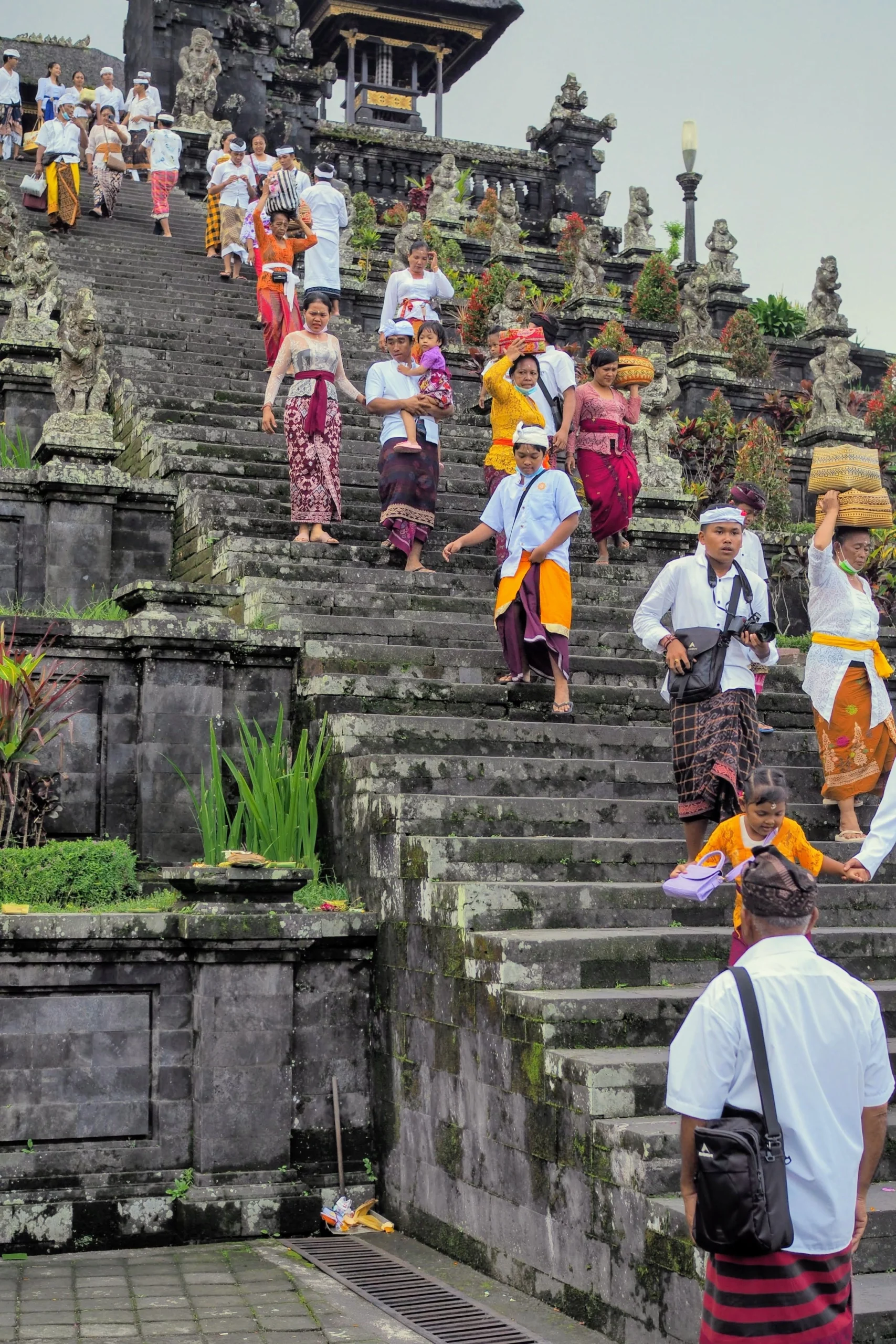
During the festival, worshippers arrive in ceremonial dress carrying offerings. A priest leads prayers, bells sound and holy water is distributed. The sequence may include the ceremonial arrival of sacred objects, collective worship and a formal conclusion after the divine guests are respectfully farewelled.
Music, dance, shadow puppetry or processions may accompany a larger odalan. Some parts are accessible to visitors, while inner courtyards or particular rites may be restricted. The schedule can change according to ritual needs and may extend late into the evening.
Traditions and Rituals
Offerings, known broadly as banten, are central to the celebration. Their ingredients, arrangement and purpose vary. Flowers, leaves, fruit, cakes and rice may be assembled into forms prepared through specialised knowledge and considerable shared labour.
Temple space is organised by degrees of sanctity. Worshippers move through outer and middle courtyards before entering the innermost area when permitted. Prayers are commonly performed while seated on the ground, followed by holy water and grains of blessed rice placed on the forehead or consumed.
Gamelan and dance can have ritual roles rather than functioning only as entertainment. Visitors should not assume that a performance may be interrupted, approached closely or photographed freely. Processions carrying sacred objects also require a clear path and respectful distance.
What Visitors Can Expect
An odalan can be both joyful and solemn. Outside the temple, families converse, vendors may sell refreshments and musicians prepare. Within a prayer sequence, the atmosphere becomes focused and devotional. Incense, bells, layered offerings and ceremonial dress create a powerful visual experience, but the purpose remains worship.
There may be no published timetable in English. Periods of waiting are normal, and the most important rite may occur much later than expected. Visitors who are welcomed should observe quietly and follow instructions from temple attendants or local hosts.
Travel Tips
Ask hotel staff, a local guide or members of the temple community whether visitors are welcome. Never enter simply because a gate is open. Wear a sarong and sash, cover shoulders and follow any additional dress requirements. Many temples provide rental clothing, though bringing your own is useful.
Do not walk in front of people who are praying, climb on shrines or stand higher than a priest. Keep clear of offerings and processional routes. Ask before photographing worshippers, children, priests or sacred objects, and avoid flash.
Local rules concerning ritual purity and temple entry should be followed without debate. If uncertain, politely ask an attendant. A small donation may be appropriate when indicated, but it does not purchase access to restricted rites.
Interesting Facts
- Piodalan is a more formal form of the word commonly shortened to odalan.
- Many temple anniversaries recur every 210 days rather than once a Gregorian year.
- Bali’s thousands of temples mean several odalan may occur on the same day.
- The duration can range from a focused local observance to several days of worship and performance.
- Temple festivals have helped sustain Balinese music, dance and theatre across generations.
Conclusion
Odalan reveals the Balinese temple as a living centre of devotion, responsibility and artistic life. Its beauty comes from collective effort, but that beauty is created for sacred purposes rather than for an audience. Visitors who seek permission, dress correctly and give worshippers space can witness the occasion without turning it into a spectacle. In doing so, they encounter Bali not as a collection of monuments, but as an island continually renewing its relationships with temples, ancestors and the divine.